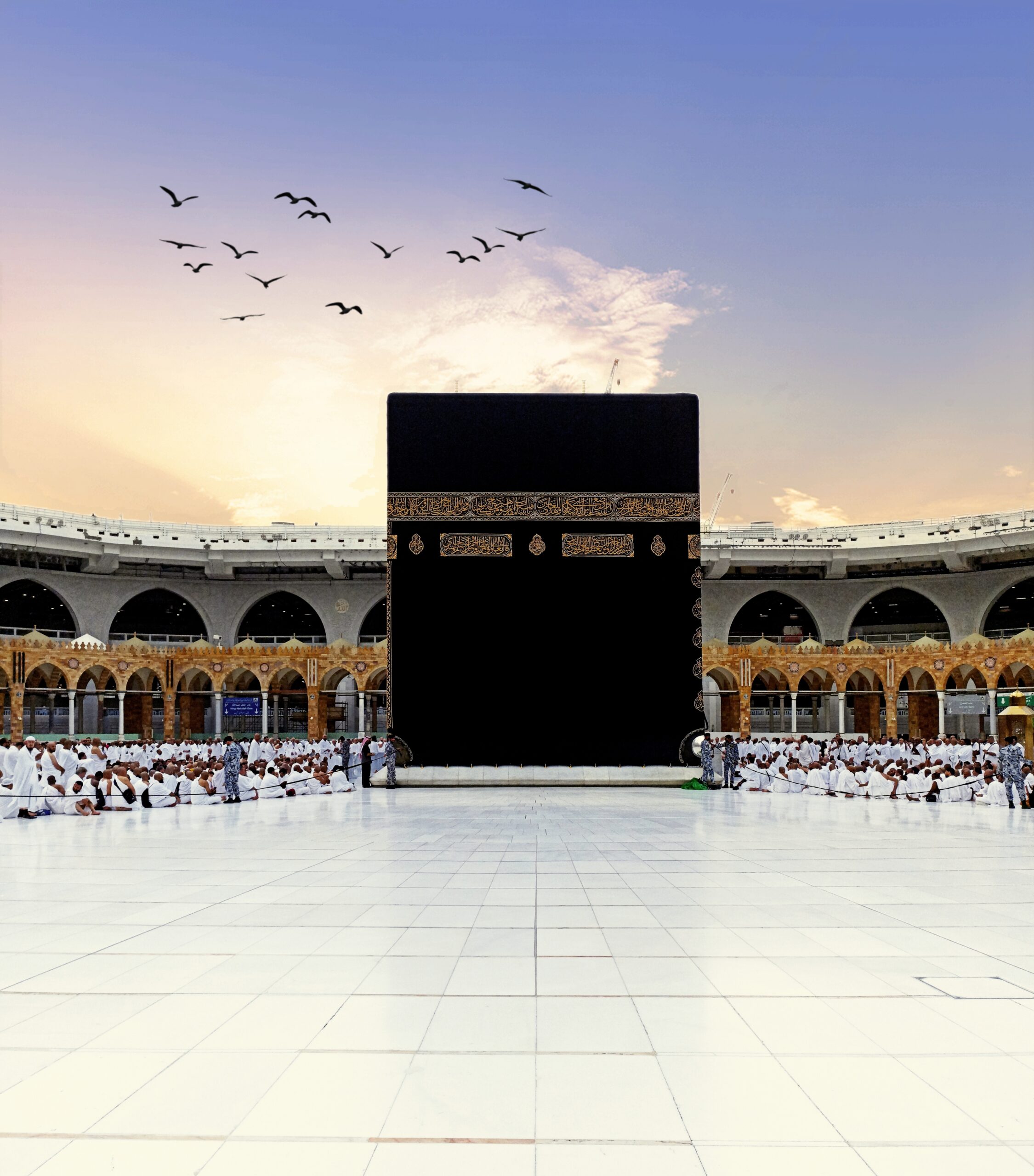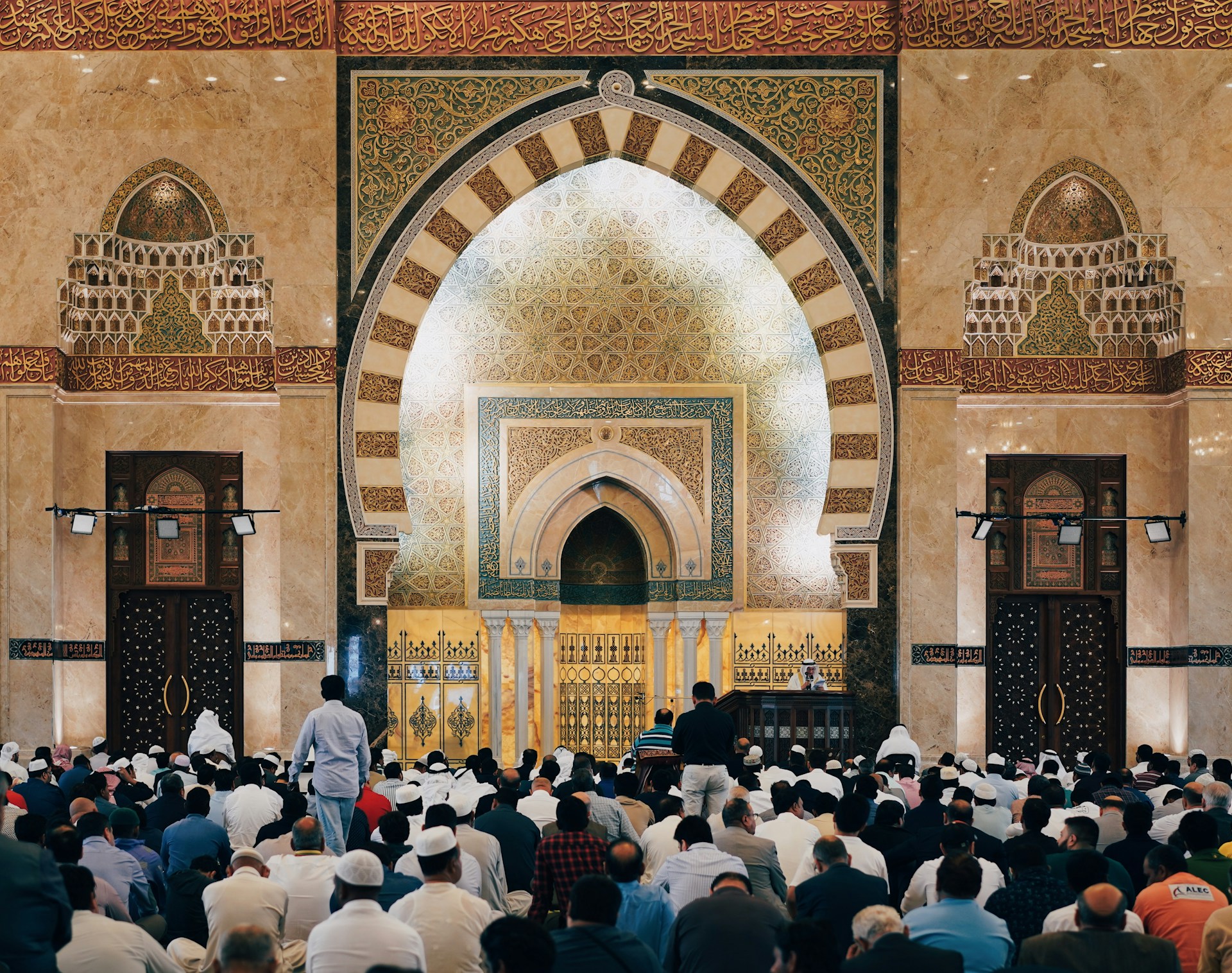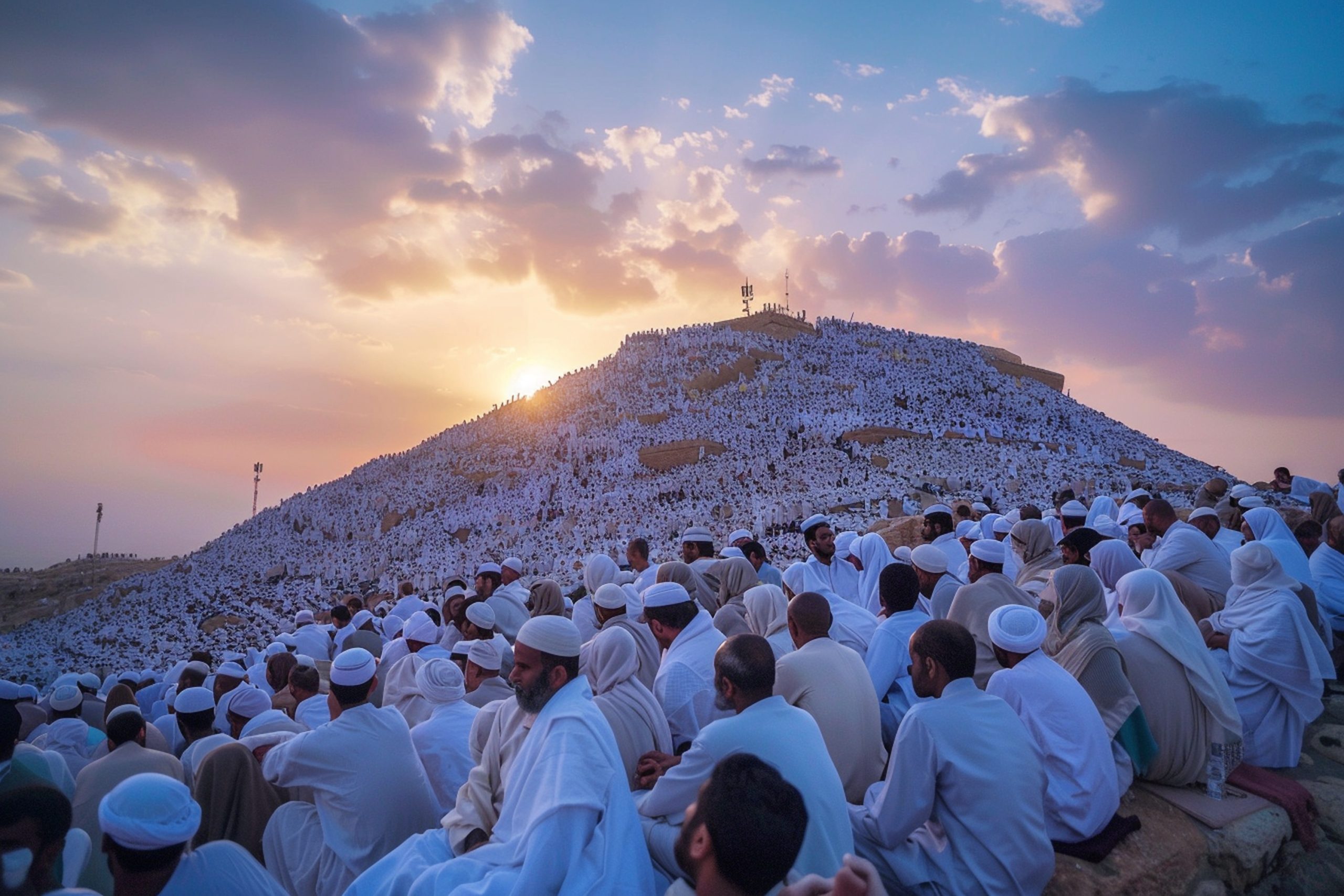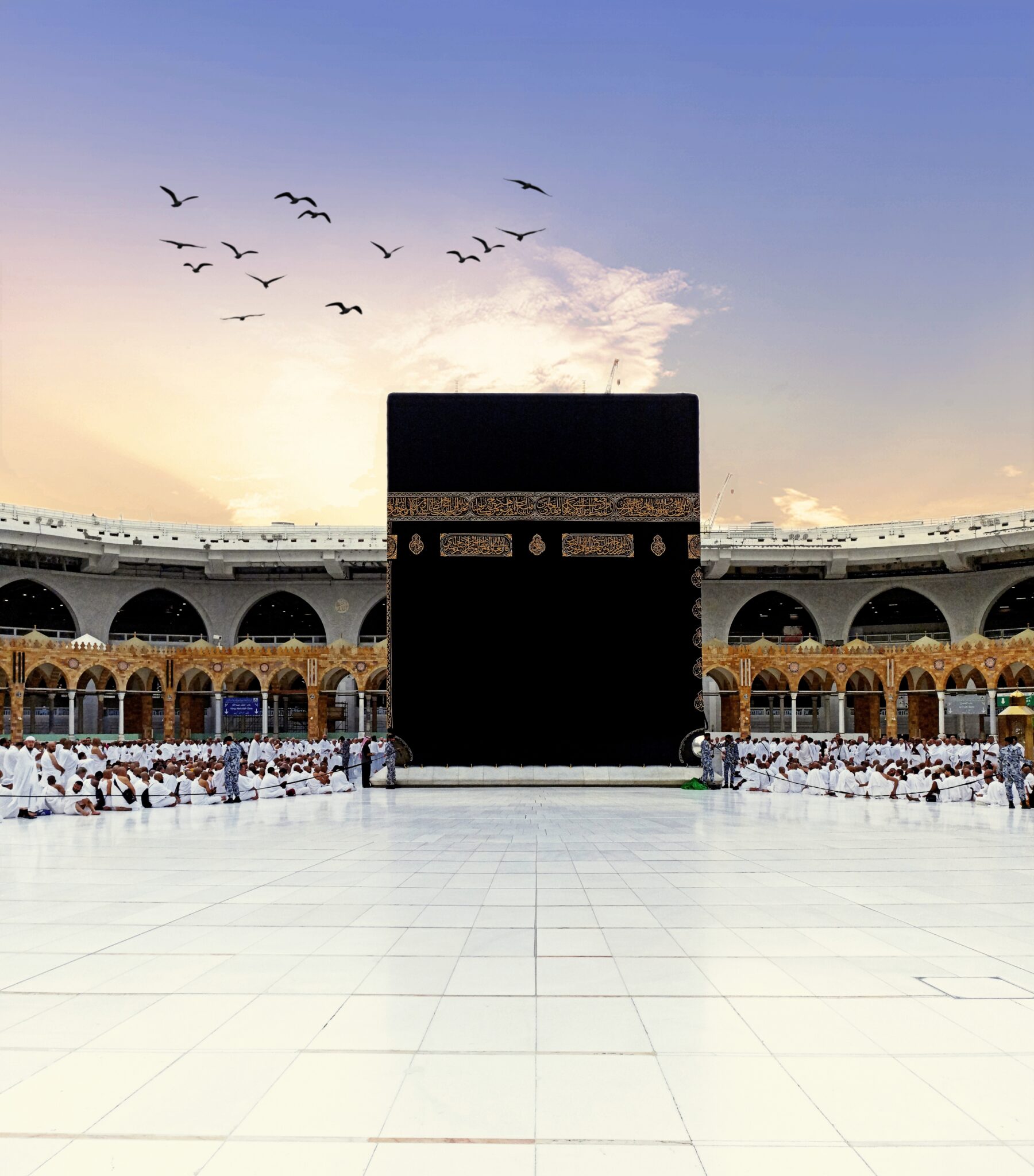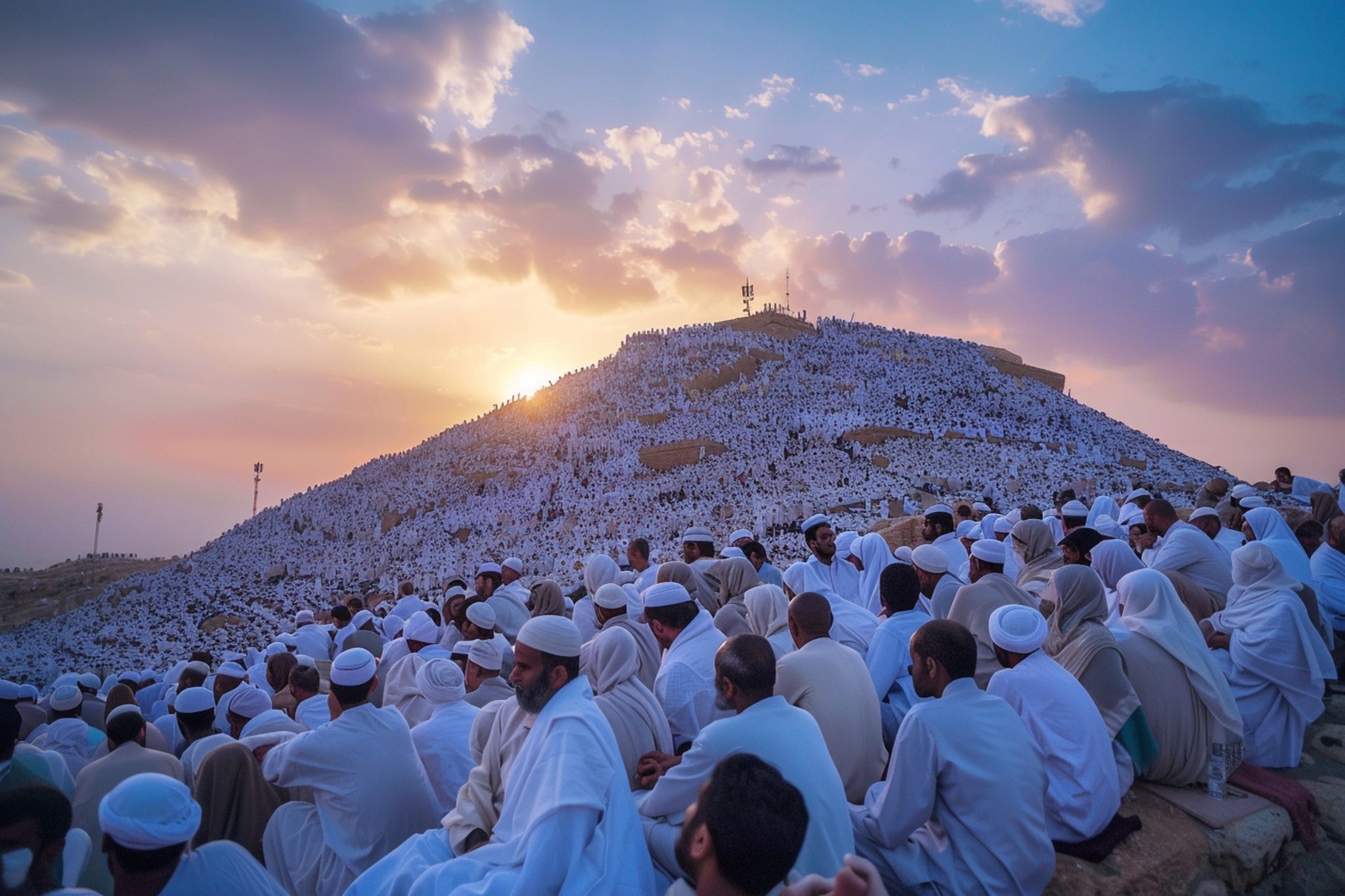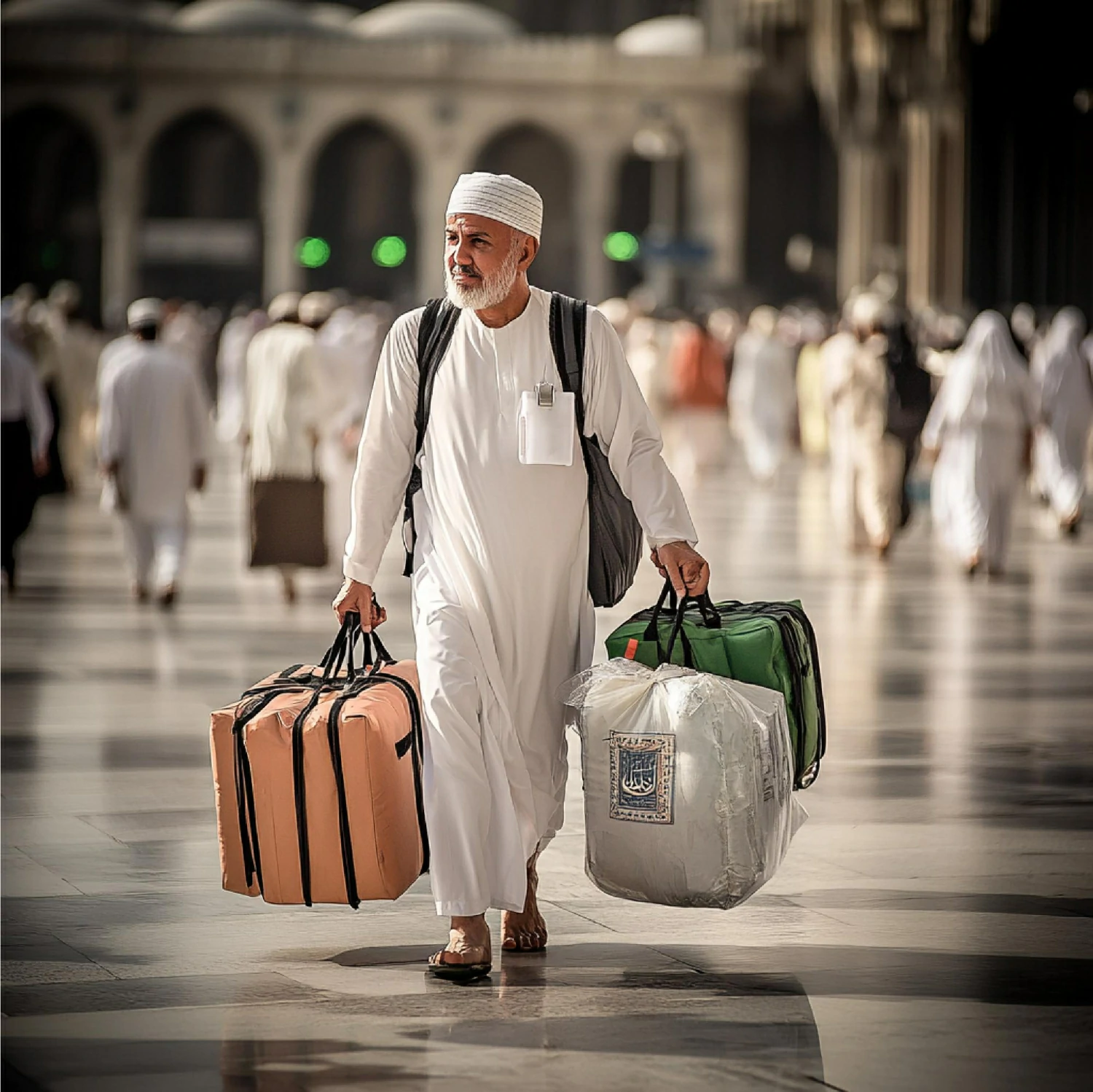

The Hajj season carries within it meanings of unity, humility, and belonging to God, as millions of Muslims stand together on one plain, responding to an eternal divine call. However, this immense gathering simultaneously raises fundamental questions about the future of the Earth we live on. With the number of pilgrims increasing year after year, sustainability in Hajj has become an urgent necessity that cannot be delayed, an issue that concerns every Muslim who believes that this Earth is a trust placed upon their shoulders.
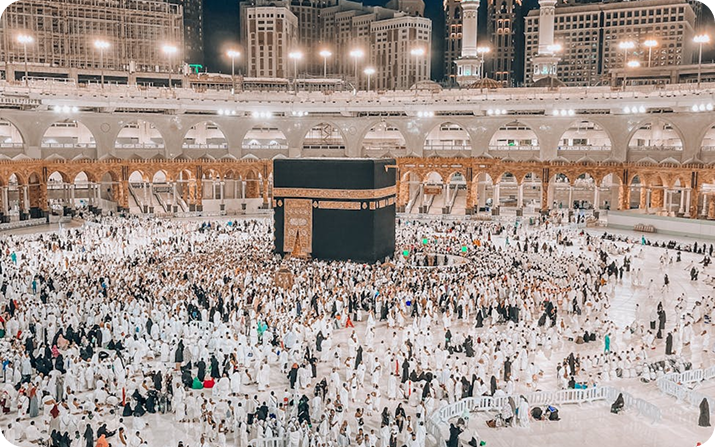
“When Vision 2030 meets the spirit of Hajj”
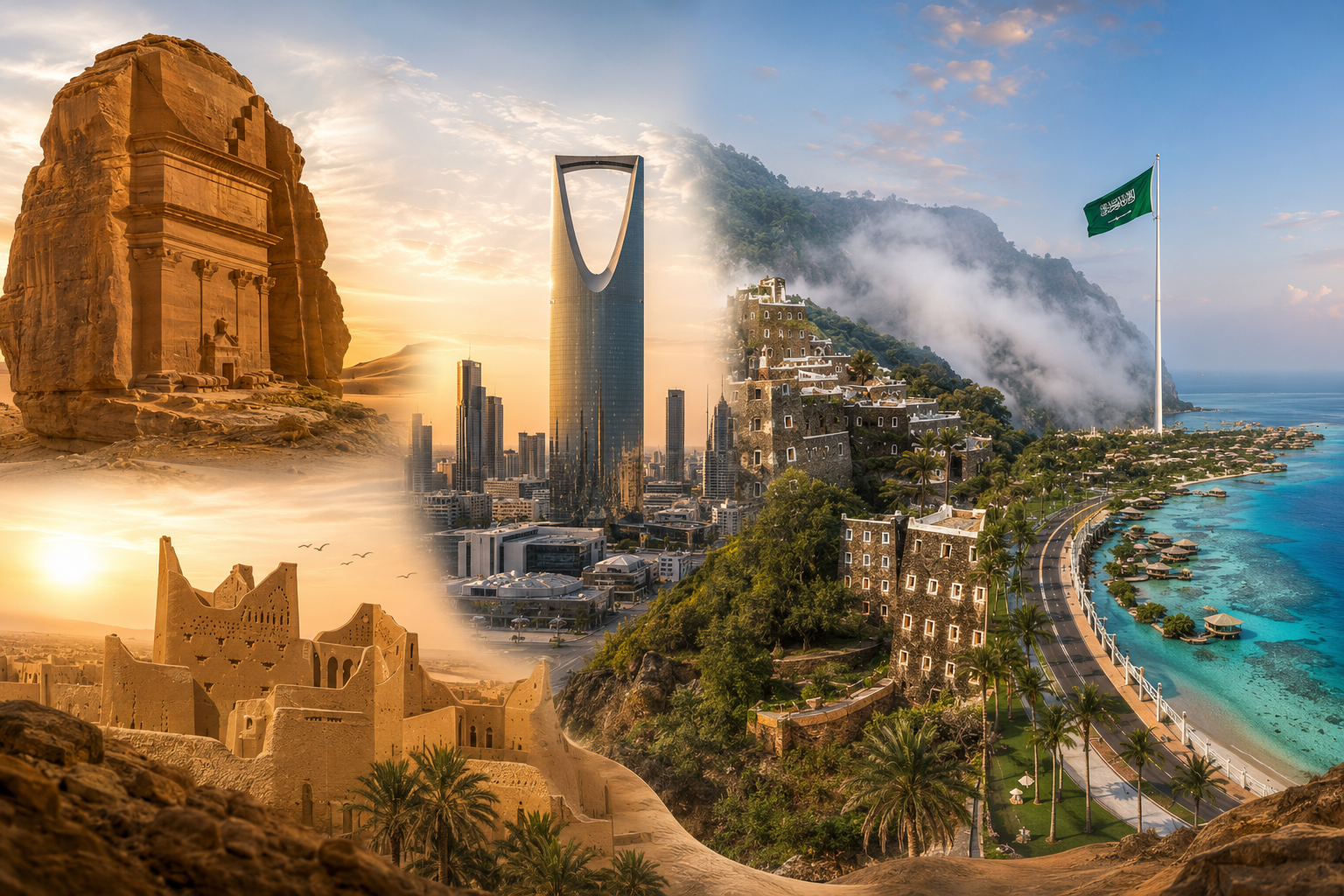
The Kingdom of Saudi Arabia launched its ambitious Vision 2030 to reshape the future of the country on solid foundations of economic diversification and social development. At the heart of this vision, environmental sustainability has taken a central place, as the environment is no longer a secondary concern but has become a strategic goal intertwined with entire sectors, foremost among them the Hajj and Umrah sector.
This sector receives more than two million pilgrims annually, in addition to tens of millions of Umrah performers throughout the year, making it one of the most resource-intensive sectors at the local level. Here, the brilliance of combining the religious and environmental dimensions becomes clear: the Kingdom is not merely managing a religious season, but presenting the world with a living model proving that faith and environmental responsibility are two sides of the same coin.
Environmental challenges: the scale of the problem demands the scale of the solution
It is impossible to speak about sustainability without acknowledging the level of pressure the Hajj season places on the environment. Within just a few days, massive amounts of solid waste are generated, water resources are heavily consumed, and thousands of buses and vehicles operate continuously across the holy sites. In addition, there is significant pressure on electricity networks to power the tent cities of Mina and the facilities of Muzdalifah and Arafat.
These challenges are not a flaw in the nature of the ritual itself, but rather a clear invitation for innovation and smart planning—something the Kingdom is actively implementing through an integrated system of field initiatives.
Established initiatives and tangible impact
The Kingdom has demonstrated that sincere intention, when combined with organized action, leads to real results. This impact is reflected in several areas:
Renewable energy at the heart of the holy sites:
Saudi Arabia has begun deploying solar panels in the camps of Mina and on the rooftops of Hajj facilities, making use of the abundant solar radiation in the Hijaz region. These efforts aim to supply an increasing share of Hajj facilities with clean renewable energy, reducing carbon emissions and dependence on fossil fuels.
Waste management and recycling:
Relevant authorities have launched programs for waste sorting at the source and equipped the holy sites with mobile recycling stations, alongside multilingual awareness campaigns for pilgrims. These efforts have helped protect the environment from hundreds of tons of waste that were previously handled in less efficient ways.
Sustainable transportation:
The Mashaer Holy Sites Train stands as a successful model of sustainable mass transportation, carrying hundreds of thousands of pilgrims between Mina, Muzdalifah, and Arafat without direct emissions. The Kingdom also seeks to expand the electric bus network to complement this system.
Water conservation:
The Kingdom is working on developing water-saving technologies in public restrooms and service facilities, as well as reusing treated water for irrigating green spaces around the holy sites.
Sustainability in light of Islamic values
What gives this effort deeper meaning is its full alignment with the spirit of Islam itself. The true religion instills in believers the principle of stewardship of the Earth and encourages avoiding wastefulness in all things, even in water during ablution. When a pilgrim treats the environment responsibly and reduces their negative impact on the holy sites, they are not only fulfilling an environmental duty but also expressing a deeply rooted religious value that reflects humanity’s honor in creation.
A message to every pilgrim and Umrah performer: you are part of the solution
Dear pilgrim, dear Umrah performer, your journey to the Sacred House is one of the most important moments in a Muslim’s life, where covenants are renewed, sins are forgiven, and prayers are answered. But reflect with us: how do you want these sacred places to be in ten or twenty years?
You are not merely visitors today—you are ambassadors of sustainability to millions of pilgrims who will come after you. Contributing is simple when it becomes daily behavior:
- Carry a reusable water bottle and avoid single-use plastics
- Dispose of waste in designated places and encourage others to do the same
- Use public transportation whenever possible and avoid unnecessary individual travel
- Conserve water, as it is a precious blessing in these arid lands
- Share your experience with family and friends to spread a culture of sustainability
Every small step you take in Makkah or Madinah carries a larger message to the world: that when a Muslim acts responsibly toward their surroundings, they embody the true essence of Islam. Be ambassadors of goodness—for your land and your faith—and let your Hajj and Umrah mark the beginning of a real transformation in your relationship with the environment around you.