

Many pilgrims arrive in the Holy Land with great longing in their hearts, yet they worry about performing the rituals incorrectly. Hajj is not merely a set of rituals; it is a complete spiritual journey with a precise order and clear rulings. A thorough understanding of these rituals before traveling transforms the Hajj experience from a simple pilgrimage into a deeply spiritual and accepted act of worship, God willing. In this guide, you will find everything you need to perform Hajj with confidence and peace of mind.
Hajj Pillars: What Hajj is not valid without them
The pillars of Hajj are the essential acts which, if omitted intentionally or unintentionally, invalidate the Hajj and cannot be compensated for by offering a sacrifice. They are four:
The pillars of Hajj are the essential acts which, if omitted intentionally or unintentionally, make the Hajj invalid and cannot be compensated for by a sacrifice. They are four:
- Ihram with the intention of entering Hajj from the specified Miqat.
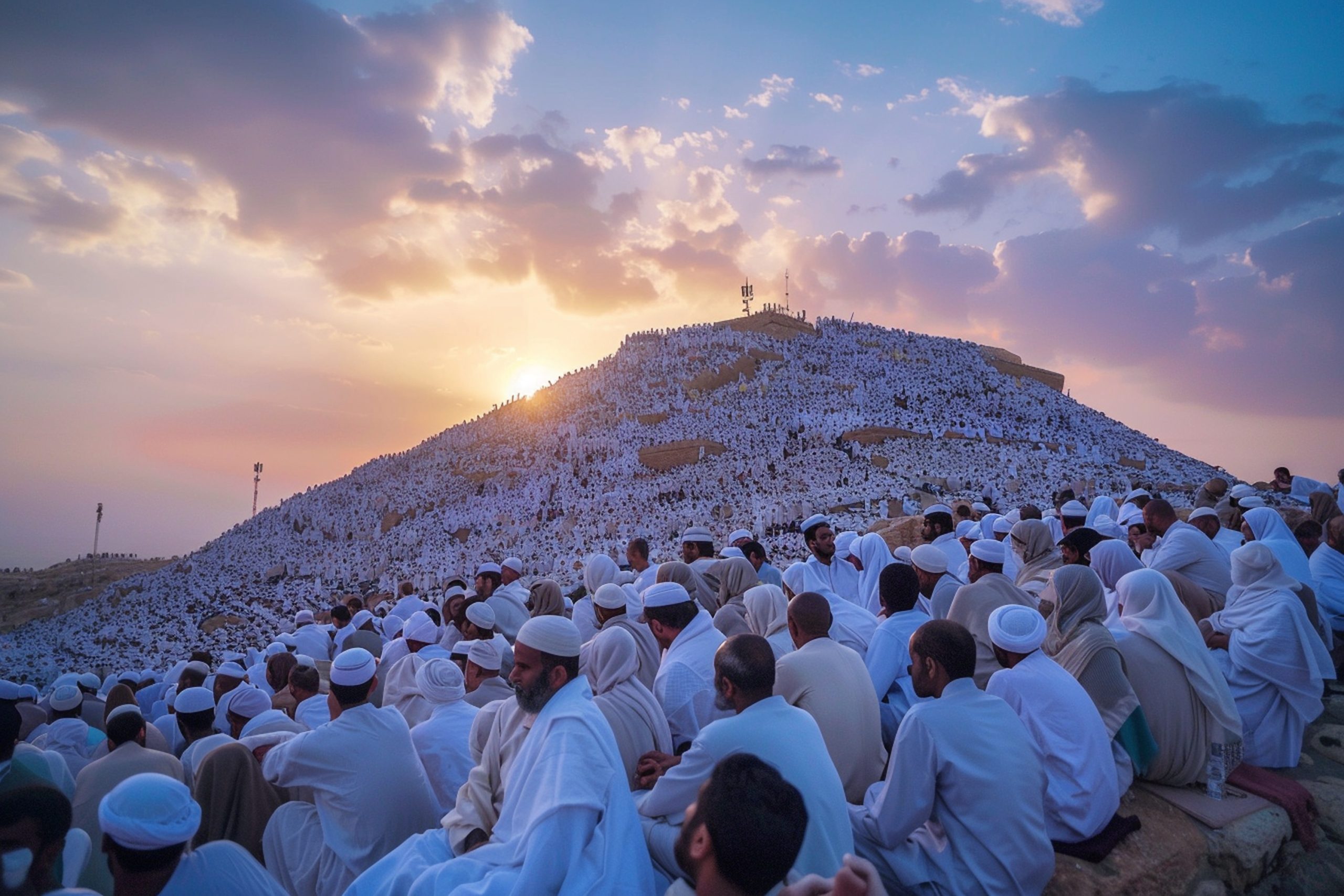
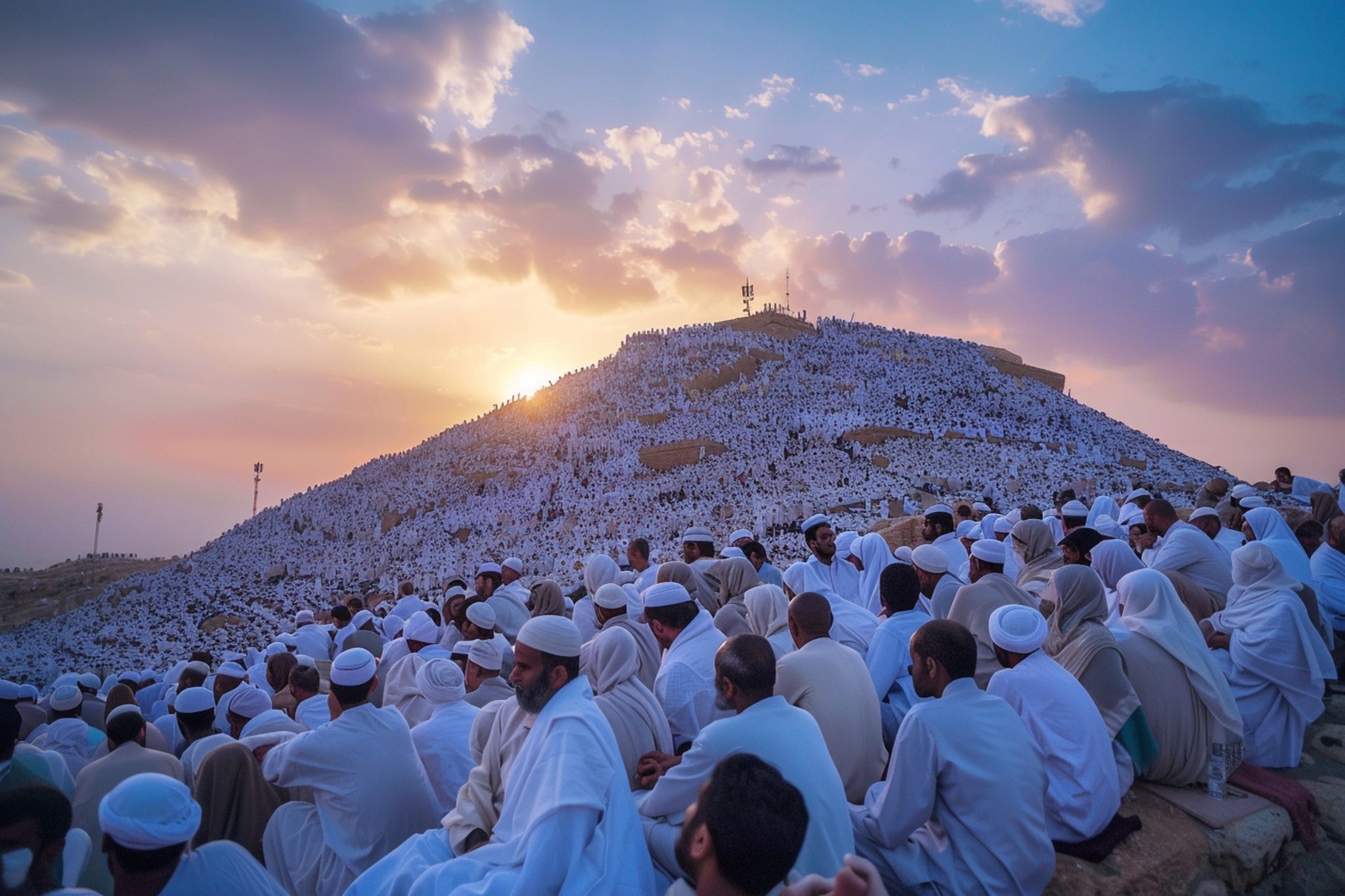
- Standing at Arafah, which is the greatest pillar of Hajj, extending from the decline of the sun on the ninth day of Dhul-Hijjah until dawn on the Day of Sacrifice.
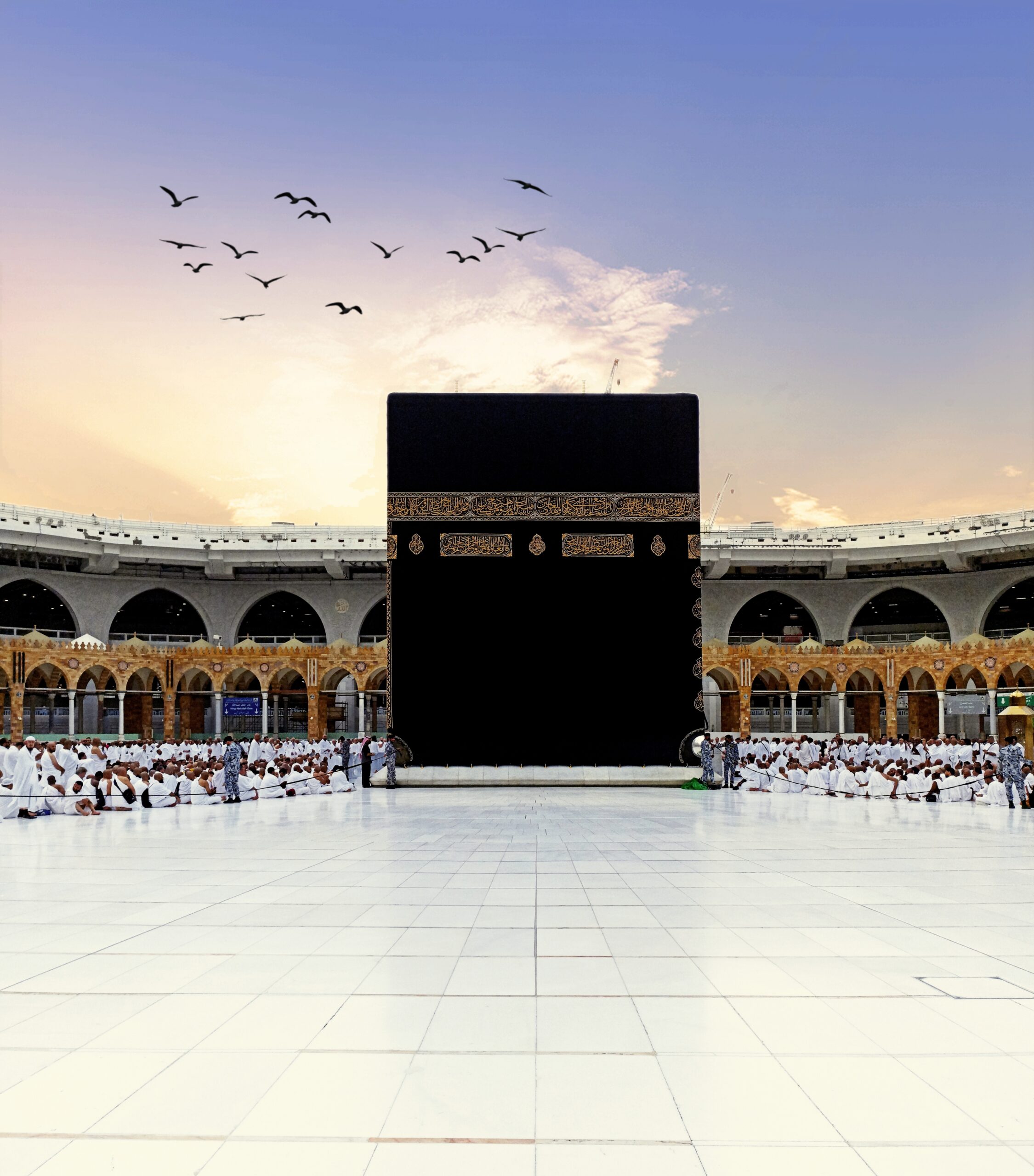
- Tawaf al-Ifadah, which is circumambulating the Holy Kaaba after exiting partial Ihram.
- Sa’i between Safa and Marwah, seven complete rounds.
If you miss standing at Arafah, then you have missed Hajj entirely, so be sure to reach Arafah at its proper time
Hajj rituals in order: from the first day until the final rites
Knowing the Hajj rituals in order makes you mentally and physically prepared for every stage:
The Eighth Day – Day of Tarwiyah:
The pilgrim enters Ihram from Makkah or from where they are staying, and heads to Mina to spend the night there and perform the five daily prayers.
The Ninth Day – Day of Arafah:
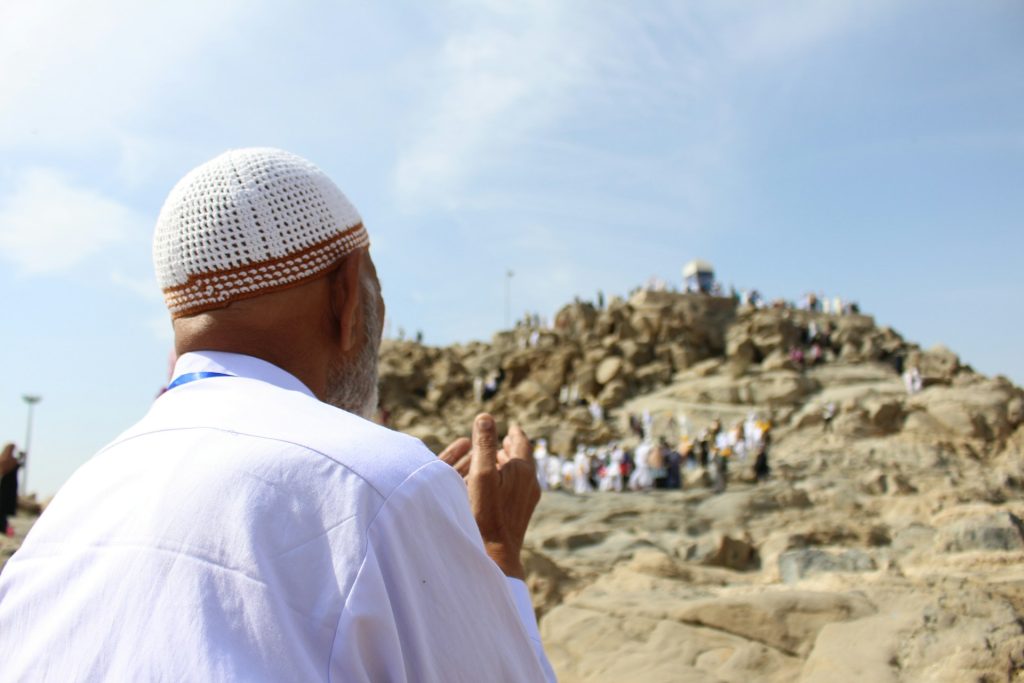
This is the heart of Hajj. After Fajr, the pilgrim goes to Arafah, where they stand remembering Allah, supplicating, and repenting until sunset, then move on to Muzdalifah.
The Tenth Day – Day of Sacrifice:
The pilgrim spends the night in Muzdalifah, then throws Jamrat al-Aqabah (the الكبرى pillar), offers the sacrifice, shaves or shortens the hair, then performs Tawaf al-Ifadah and Sa’i if they have not done Sa’i before.
Days of Tashreeq (11th–13th of Dhul-Hijjah):
The pilgrim stays in Mina and throws the three Jamarat each day after midday, then performs the Farewell Tawaf before leaving Makkah.
Practical Hajj Steps: How to Prepare Before Traveling
Good preparation is half the success. Here are the Hajj steps you should begin weeks before your travel date:
- Learn the rulings and prohibitions of Ihram so you do not fall into violations that require a sacrifice.
- Memorize the supplications and remembrances for each ritual, including Tawaf, Sa’i, and standing at Arafah.
- Learn the prayer times and where to perform them in each location.
- Allocate time for physical training, as walking will be extensive and long.
- Keep a printed copy of the Hajj rituals in order with you throughout the journey.
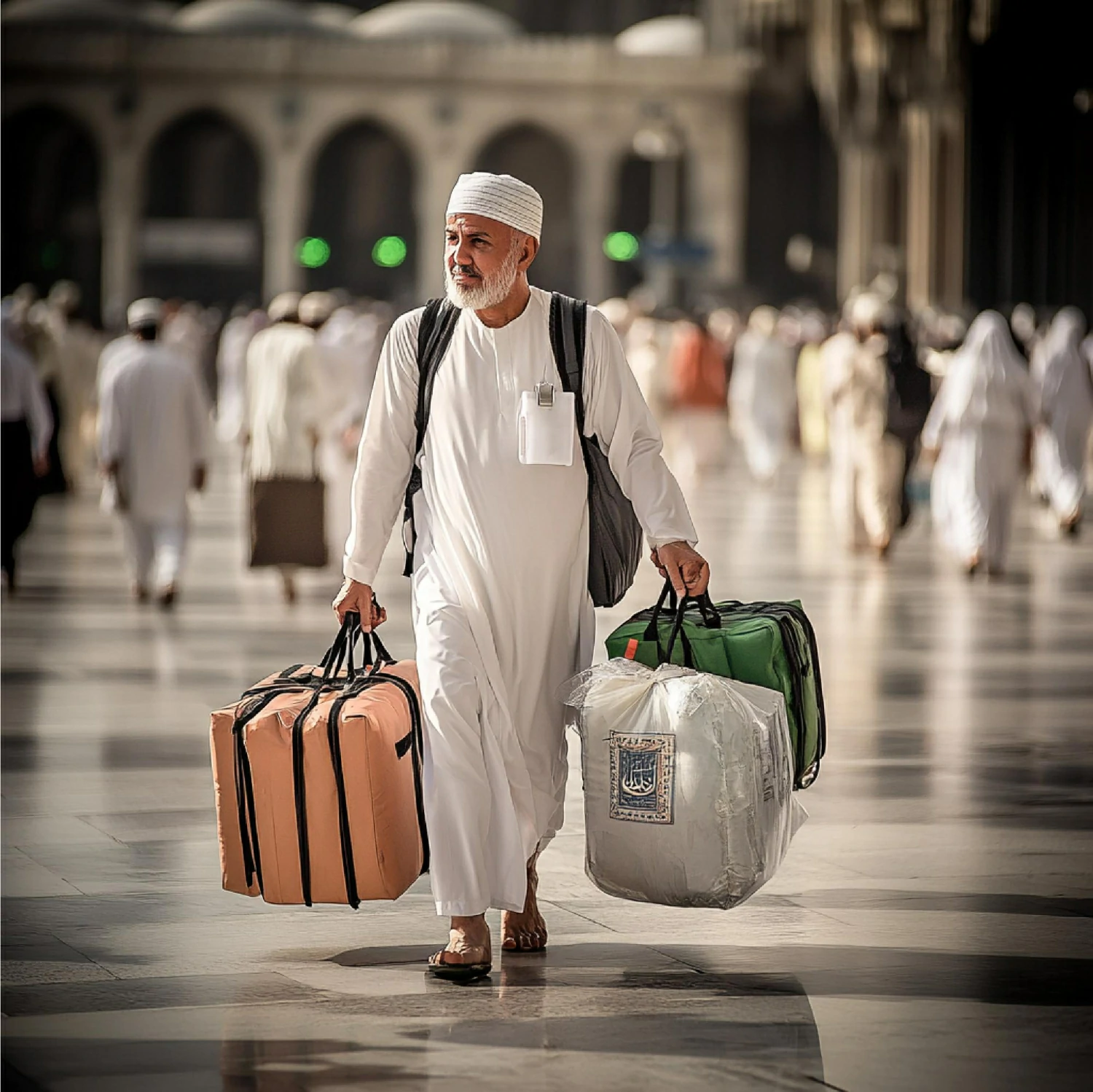
- Contact a trusted agency that provides a field guide and suitable accommodation.
Sunnahs of Hajj: What Increases the Reward and Completes the Pilgrimage
The Sunnahs of Hajj are not obligatory, but they increase the reward and beautify the spiritual journey. The most notable include:
- Reciting the Talbiyah loudly for men from Ihram until the stoning of Jamrat al-Aqabah: “Labbayk Allahumma Labbayk”
- Performing ghusl (ritual bathing) upon entering Ihram and applying perfume to the body before wearing the Ihram garments
- Performing ramal (brisk walking) in the first three rounds of Tawaf al-Qudum for men
- Spending the night in Mina on the eve of the ninth of Dhul-Hijjah before standing at Arafah
- Praying two rak’ahs behind Maqam Ibrahim after completing Tawaf
- Increasing supplication during the standing at Arafah, as it is one of the greatest times for answered prayers
Being keen on these Sunnahs makes you feel that you have taken from Hajj everything it offers, not just fulfilled the minimum obligations.
What is recommended to do after completing Hajj
Many people ask: what comes after? What is recommended after completing Hajj is no less important than Hajj itself:
Visiting Madinah and praying in the Prophet’s Mosque and sending greetings upon the Prophet ﷺ
- Frequently seeking forgiveness and expressing gratitude, as the pilgrim returns as pure as the day they were born if their Hajj is accepted.
- Maintaining the righteous deeds practiced during Hajj, such as night prayers and recitation of the Qur’an.
- Avoiding returning to sins in order to preserve the fruits of this blessed journey.
- Sharing the experience with family and friends who intend to perform Hajj, to encourage and guide them.
An accepted Hajj is not the end of a path, but the beginning of a new stage in a Muslim’s life.
Do you want to perform the Hajj rituals with the best possible experience?
Performing the Hajj rituals correctly requires field guidance and trustworthy companionship. If you are looking for a comprehensive Hajj package that provides a specialized religious guide, accommodation close to the holy sites, and complete peace of mind throughout the journey, حملة المحمل للحج الداخلي is here to help you.
Contact us now and take your first step toward an accepted Hajj.