

Eid al-Adha: Significance, Sunnahs, and Proper Etiquette of Celebration
In the Saudi market, interest in this Eid is increasing due to its religious, social, and family significance, as well as its connection to many behaviors and meanings that people often search for, such as the Sunnahs of Eid al-Adha and the etiquette of Eid al-Adha. With the fast pace of modern life, people need clear and concise content that explains what should be done on this blessed day and how to celebrate Eid properly in a way that combines Sunnah and joy.
What Is Eid al-Adha?
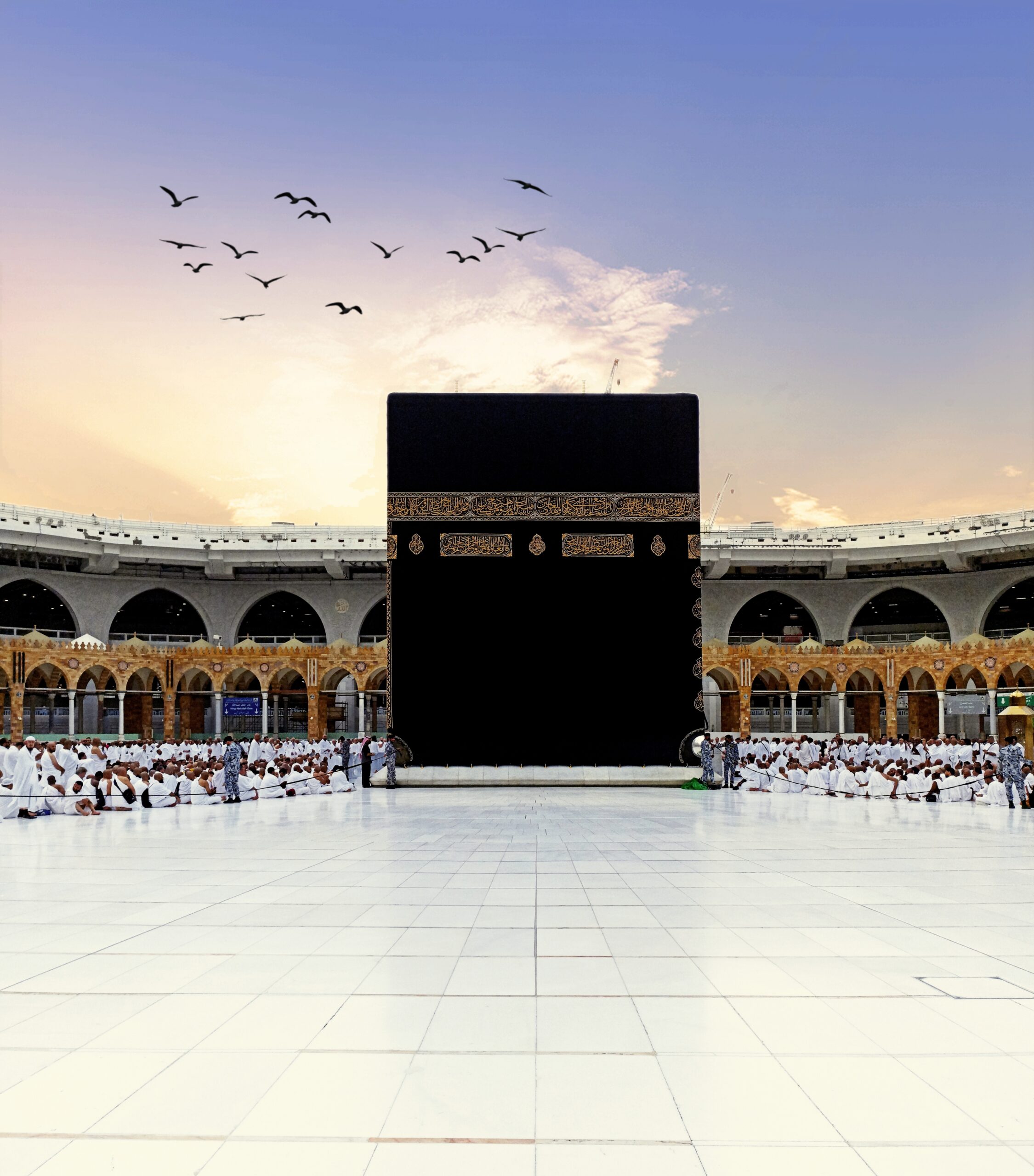
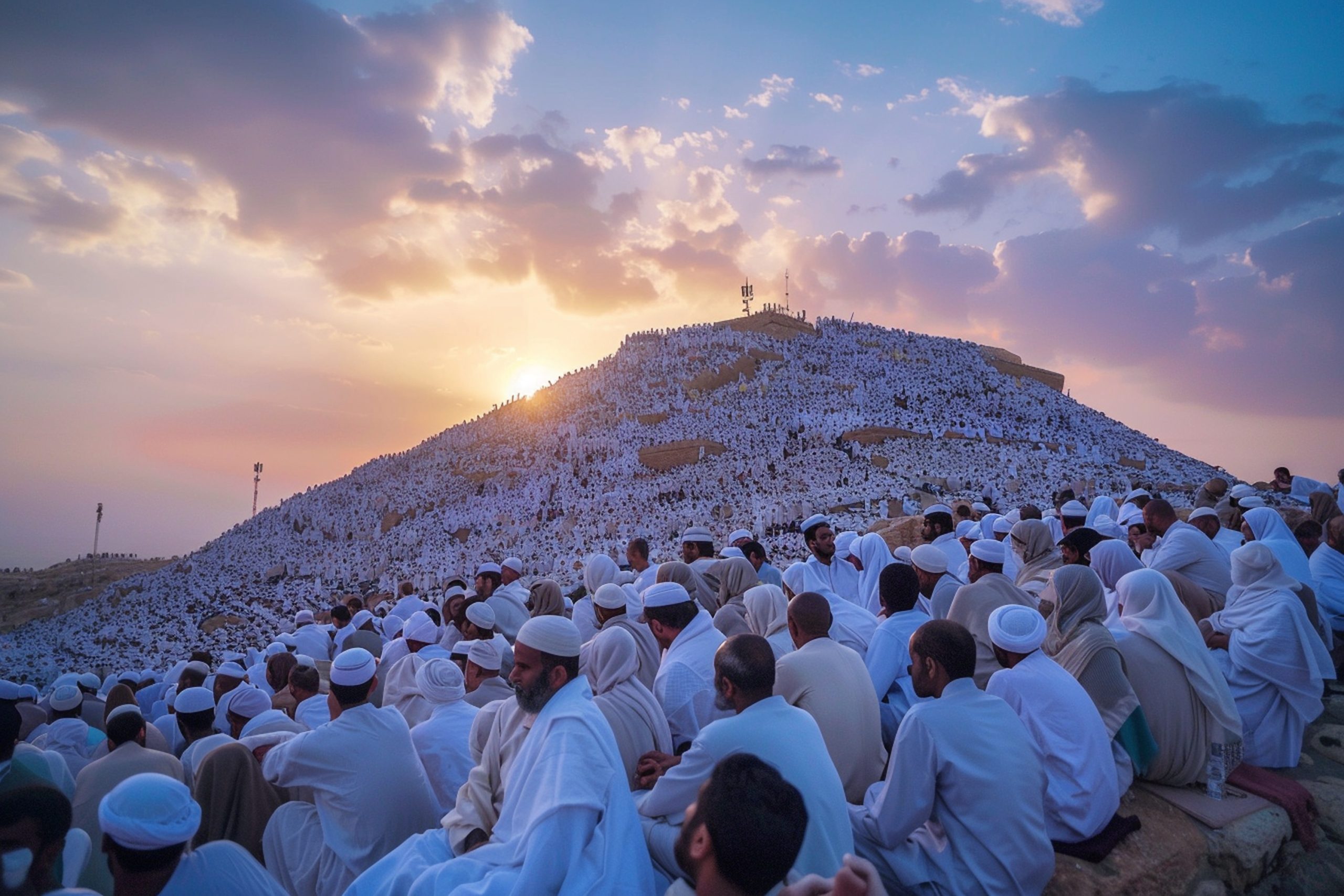
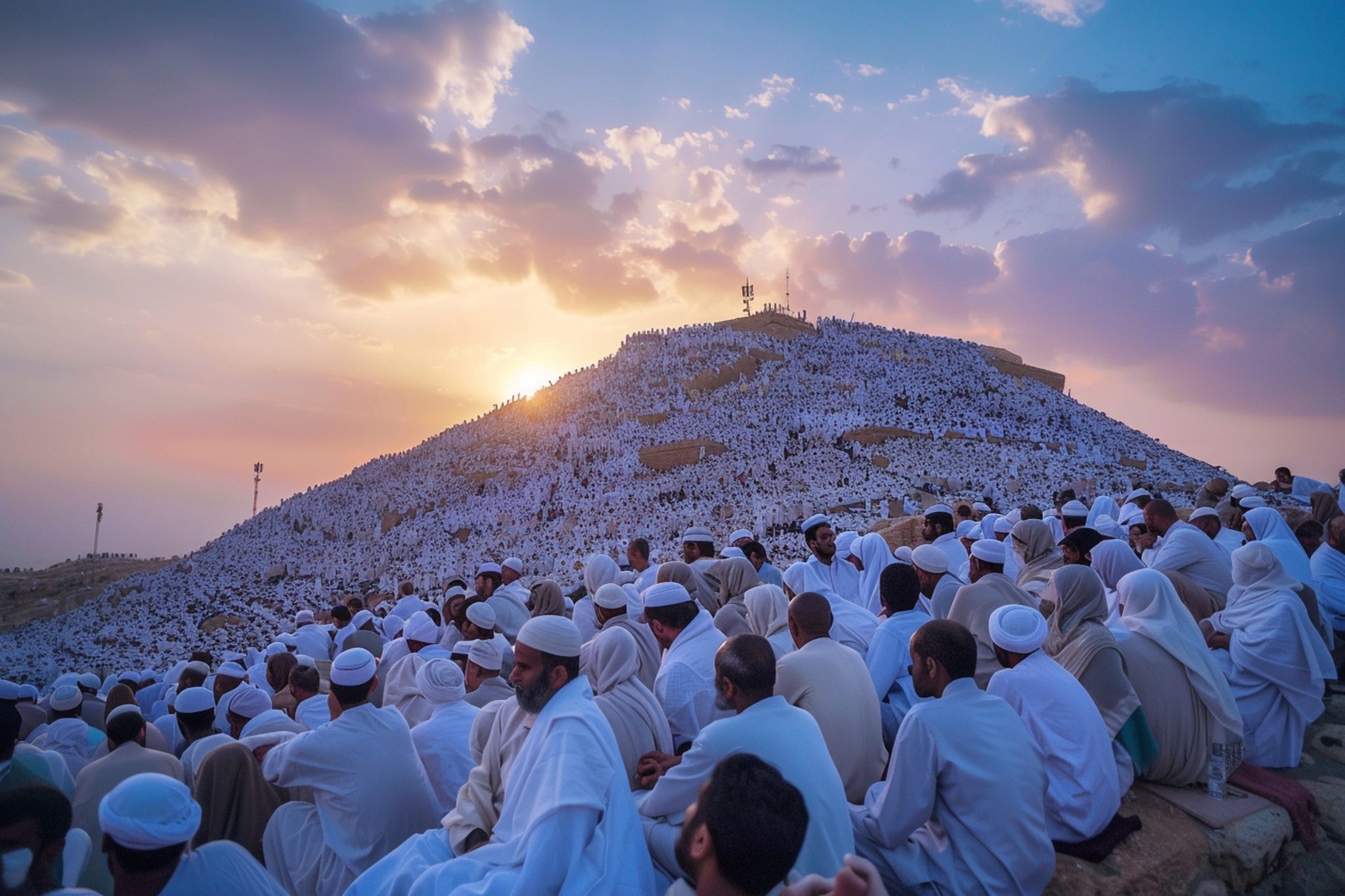
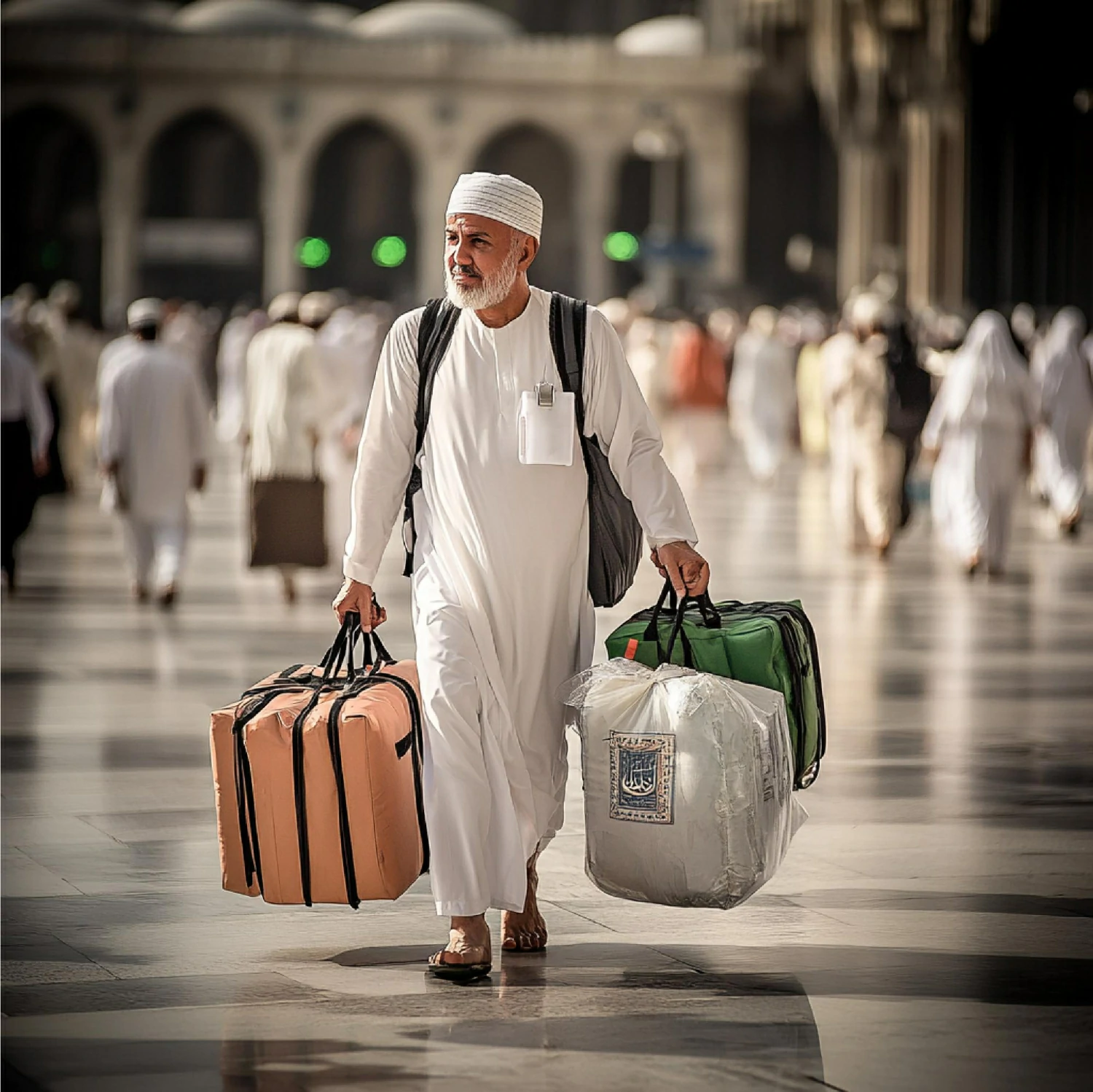
Eid al-Adha is one of the two Islamic Eids. It falls on the tenth day of Dhul Hijjah, after the Day of Arafah, and is directly connected to the rituals of Hajj and the act of sacrifice. It is a day when Muslims come together for prayer, remembrance of Allah, joy, and maintaining family ties. It also reflects the values of giving and kindness toward the poor and those in need. This Eid has a special spirit unlike other occasions, as it is not merely a social celebration, but a season of worship and an opportunity to renew Islamic values within the home and society.
The Sunnahs of Eid al-Adha That Muslims Observe
The Sunnahs of Eid al-Adha are among the most searched topics before Eid, as they help Muslims welcome the day in a proper and beloved manner. Some of the most important Sunnahs include:
- Performing Ghusl (ritual bathing), applying perfume, and wearing one’s best clothes.
- Saying takbeer on the morning of Eid until the Eid prayer.
- Eating something light before the Eid al-Adha prayer.
- Going to the prayer place by one route and returning by another.
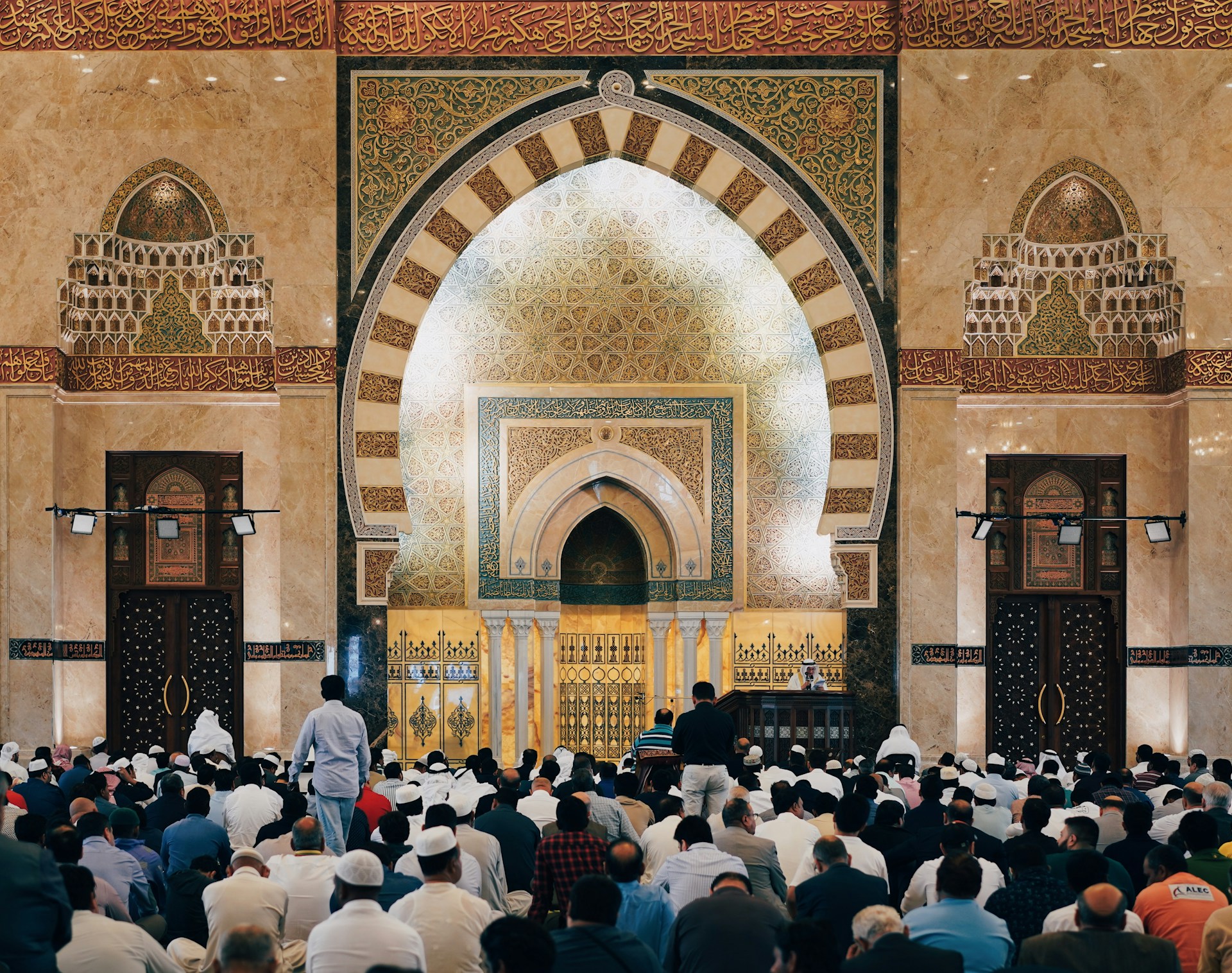
- Attending the Eid prayer with the congregation on time.
- Showing joy and happiness without extravagance or wrongdoing.
These Sunnahs give Eid a beautiful spiritual atmosphere and remind Muslims that Eid al-Adha is not only a day of entertainment, but a day of worship that begins from its very first moments.
Etiquette of Eid al-Adha in Islam
When we talk about the etiquette of Eid al-Adha, we are talking about behavior that reflects the beauty of religion and good manners with others. Some of the most important forms of etiquette include:
- Maintaining the Eid prayer and not becoming distracted from it.
- Exchanging kind greetings, such as: “May Allah accept from us and from you.”
- Maintaining family ties and visiting relatives and neighbors.
- Bringing joy to children without excess or wastefulness.
- Distributing the sacrifice, or part of it, to the poor and needy.
- Avoiding showing off or turning Eid away from its true meaning.
The etiquette of Eid al-Adha is not only about outward appearance, but also about the spirit of dealing with others in a way that makes Eid an occasion of mercy and closeness, not empty appearances.
How Do Muslims Around the World Celebrate Eid al-Adha?
In Saudi Arabia, Eid al-Adha holds a special place, as religious atmospheres blend with beautiful social traditions. Families prepare early by buying the sacrifice, arranging visits, preparing hospitality, and teaching children the meaning of Eid. Many people also make sure to connect joy with performing the rituals correctly, which makes awareness content about the Sunnahs of Eid al-Adha and the etiquette of Eid al-Adha very important during this period.
From a social perspective, Eid is an opportunity to strengthen relationships, revive the values of generosity, and encourage participation among family members. This increases the value of content that provides readers with clear and useful information.
Practical Steps to Prepare for Eid al-Adha
If you want to prepare for Eid al-Adha in an organized and meaningful way, these simple steps can help:
- Review the Sunnahs of Eid al-Adha before Eid.
- Prepare Eid clothes and family needs early.
- Plan visits to relatives and maintain family ties.
- Explain the meaning and etiquette of Eid to children.
- Preserve the values of sacrifice, charity, and moderate joy.
- Make Eid day a new beginning for affection and compassion.
These practical steps make Eid more valuable and help the family benefit from its meanings, rather than simply celebrating it.
How Can We Give Eid al-Adha More Spirit and Meaning in Our Lives?
What matters is not that Eid al-Adha passes quickly between visits and meals, but that its impact remains in the heart and behavior. When a Muslim observes the etiquette of Eid al-Adha and revives the Sunnahs of Eid al-Adha, Eid becomes a moment of education before it becomes a moment of celebration. This is what makes simplified religious content very important, as it helps the reader understand worship in a way that is close to daily life.
Conclusion
Eid al-Adha is a great opportunity to combine worship and joy, Sunnah and good behavior, faith and the spirit of family. The more a person adheres…